An interview with writer and curator Stephen Ellcock, with thoughts on his new book Ark
by Camille Wilson
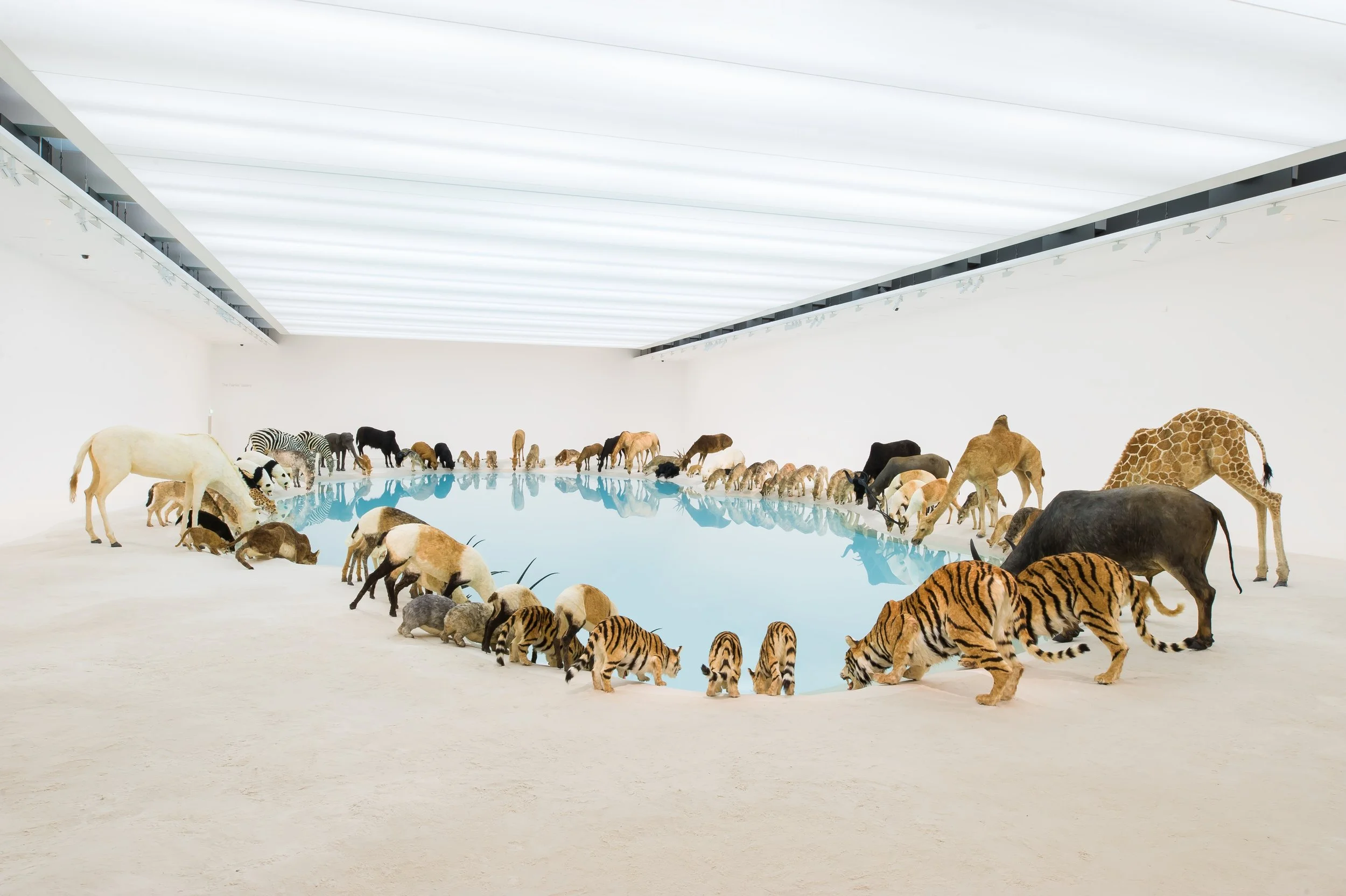
Cai Guo-Qiang, Heritage, Installation, 2013, Queensland Gallery of Modern Art, Australia © Cai Guo-Qiang & Queensland Gallery of Modern Art, Australia
Animals Strike Curious Poses
My earliest-remembered mystical encounter took place when I was three years old. I was ill in bed with a fever, and vividly remember sensing the presence of God — all-at-once profound, familiar, and comforting. As a very sickly and very Catholic child, faith became my bedrock, and with each downturn in health — whether it was repeated bouts of pneumonia, severe food allergies, or a febrile seizure — my relationship with God deepened that much more. Brushes with near-death can have a funny way of strengthening your devotion if you let them. During one particularly bad case of pneumonia, I clung to a copy of the Illustrated Book of Saints that my grandparents gifted to my mother when she was a child. Their stories of suffering and salvation inspired me to what I thought was a supernatural strength, and a hope for some form of deliverance.
It only made sense, then, that when my father built me and my brother custom bookshelves in the mid-1990s, he built me an ark. Atop the six or seven narrow shelves floated Noah, his wife, and small animal figurines standing in pairs — all spared from the deluge which wiped out, so we are told, a world which had descended into unimaginable wickedness. A lightbulb inside the boat illuminated the biblical scene, glowing through portholes and the blue stained glass meant to signify the floodwaters, now calmed after the storm. This ark became a beacon in my imagination and, as a place which held all my many books, a portal to the various other realms I would visit through stories.
Now I am 35 and no longer have this bookcase in my possession. Sadly it did not, in a literal sense, make the boat with my pared-down belongings, on a ship which crossed the Atlantic when I moved from the US to the UK years ago. Rest assured, it is safe back in the US. But in the absence of this ark, two truths remain: my relationship with God is as strong as ever (we speak every day), and my love of books is so great that it causes a constant spatial conundrum within my home. I was therefore elated to witness worlds colliding when one of my favourite writers and curators, the wonderful Stephen Ellcock, announced his new book Ark, which was published by Thames & Hudson in the UK on the 24th of September and in the US on the 20th of October. I first came across Stephen’s book Elements while perusing Colours May Vary in Leeds, and later purchased The Cosmic Dance at Watkins Books in London as a birthday present to myself. His recent work Clin d'œil, published by Chose Commune in collaboration with Cécile Poimbœuf-Koizumi, is at the top of my wish list.
Alas, back to Ark. Stephen is well-known for curating a public and beautiful archive of images on social media. If you are not already following him on Instagram, I highly recommend clicking that little blue button. His books are just as beautiful as his online gallery, and the tactile nature of these works make them feel like treasures in your library. Within Ark, Stephen has compiled over 460 illustrations of artworks related to the five animal kingdoms. These distinctions between kingdoms organise the structure of the book, which also contains a foreword by Robert Macfarlane, an introduction by Sarah Perry, and poignant essays by Harriet Rix, Helen Scales, and Stephen Moss. Near the conclusion of the book, Stephen has written a moving coda on what we learn from Noah’s story in the Book of Genesis, the precarity of species survival today, and our shared responsibility to ethically steward Earth and all its inhabitants. Within this coda, Stephen writes that:
“It falls to us to seize the levers of power from those intent on wreaking havoc, to bring the relentless juggernaut of unchecked growth grinding to a halt, to build a life around conservation, compassion, mutual care and renewed reverence for all creation.”
Amen.
I spoke with Stephen about Ark and an eclectic assortment of other topics. Please check out our interview below, and order his beautiful new book at your earliest convenience.
With best wishes,
-C x
Our Conversation
C: Hello, Stephen! Thank you for agreeing to be interviewed for the first edition of Blackbirds. Could you please start by recalling what inspired you to make Ark? How does it differ from other books that you have made?
S: Ark feels like the closing of a chapter. The culmination of 15-plus years spent as a hunter-gatherer of images, tirelessly and obsessively foraging and rummaging around in some of the murkiest corners, nooks and crannies of the internet in my ceaseless quest for the ‘perfect image’.
I have always wanted to create a book that speaks to our relationship with the living world, a Noah’s Ark for the 21st century, in the form of a book that serves as the ultimate visual treasury of living wonders, in the tradition of the great encyclopaedic popular works of natural history from the late-19th and early-20th century. A celebration of the myriad lifeforms inhabiting our planet that also serves as a powerful environmental call to arms.
If humanity is to survive and even thrive in the decades ahead, we urgently need to renew and reawaken our connection with the natural world. In a world facing unprecedented peril and unimaginable challenges, our survival hinges on a single, incontrovertible truth; all life is profoundly interconnected.
Ark differs from my previous books in several ways. It is larger-format, hence more pages and more images plus a significantly increased budget for image rights, etc.
Ark is also far more of a collaborative effort than my earlier titles, featuring brilliant, beautifully-written essays by Robert McFarlane and Sarah Perry, plus inspiring contributions by tree scientist Harriet Rix, marine biologist Helen Scales, and birder Stephen Moss — all experts in their respective fields.
I hope that, between us, we have created a celebration of the wonder and richness of life fit for the 21st century — an open invitation to see the world anew and to recognise the deep kinship that binds all living things.
C: Do you have a favourite image from the book? And do you have a favourite animal in life?
S: My answer to your first question probably changes daily. To isolate a single image among so many is quite an invidious and almost impossible task. However, if forced to choose a favourite image from Ark , it would probably be Albrecht Dürer's 'The Great Piece of Turf', his watercolour and gouache painting from 1503. This image perfectly encapsulates one of the key themes of ‘Ark’; finding the miraculous in the everyday. Dürer conjures magic from the most humble, mundane fragment of the natural world; a simple clump of weeds, plantains, dandelions, grasses — ordinary things we would probably overlook or trample underfoot. Dürer creates an entire universe with the 1,250 square centimetres of his surface — a universe where the ordinary becomes almost sacred.
The painting is not entirely realistic and faithful to nature (note the exposed ‘hidden‘ roots). Dürer cheats slightly, using artifice and immense skill to create a stylised, hyper-realistic image that paradoxically deepens our appreciation of nature herself. When I first saw this painting on a very wintery day in the eerily deserted galleries of the Albertina, Vienna, I fear I may have let out an audible gasp . This surely counts as a genuine case of Stendhal Syndrome, one of only two or three occasions in my life when I have been truly stunned, and quite frankly gobsmacked, by a work of art.
As far as the second part of your question goes, well…Ark is actually dedicated to the feral wildlife of London SE16 in all its unruly variety — pigeons, crows, coots, moorhens, and other ornithological riff-raff; hooligan waterfowl, pizza-guzzling foxes, insulation-thieving squirrels, bin-raiding rats and all the humble, disregarded, unloved, and often persecuted pariah creatures that live alongside us and with whom we share our environment.
C: I have noticed that you have a keen sense for pattern recognition. When did you first recognise this gift, and how did you nurture it?
S: I have always collected images, the problem is that for most of my life I never knew what to do with them. In the past I would explain this compulsion away as a search for pattern, meaning, and a semblance of order in what has often been a ragged, disorderly existence — a defence mechanism for staving off chaos and dismay. I now realise that this was not quite the whole truth.
Like most children of the age of mass communication I became an obsessive consumer of images from the moment I learned to focus. A pre-school love of comics proved a gateway drug to the harder thrills of Marvel and DC comics and then, slightly later, the illicit, intoxicating visions of the then-thriving ‘Underground Press’ , followed closely by the dystopian grit of Punk-era fanzines. All of these multifarious publications — begged-for, stolen, borrowed, or bought with every last available penny of pocket money, unemployment cheque, student grant — were, however, merely grist for what was to become an all-consuming obsession. I would pore over every available scrap of printed material searching for images that intrigued, inspired, or startled me, then tear or cut them out for some vague, unspecified future use. My unbridled butchery even extended to certain books.
The purpose all of this vandalism was to provide me with the raw material for what my addled adolescent imagination initially conceived as a vast treasury of images, which would be stored in hundreds, even thousands, of scrapbooks, or else assembled as gigantic, impossibly-complex collages, all of which would eventually evolve into a visual map of, well, ‘Everything’.
By the time I left home, I had accumulated dozens of boxes, suitcases, and bags of all descriptions crammed with tens of thousands of scraps and orphan images, many torn or cut from what are now incredibly valuable artefacts. Sadly, at some point between my first free festival and my first eviction, I had either discarded, lost, or abandoned this entire mouldering stockpile of scraps.
During the subsequent chaotic decades, my obsession with patterns may have been sublimated, but it never left me. It simply resurfaced in different guises. I managed to blag a fairly successful living as professional musician for a while, despite the fact I possessed zero technical ability and no previous experience. I did, however, discover that I possessed a natural aptitude and flair for arrangement and production, which are, after all, forms of pattern-making.
After my flirtation with the music business came to a very messy end, I found a job in a bookshop where I became obsessed with ‘merchandising’, display, the arrangement and disposition of books on shelves and so on, causing dismay and bemusement to my long-suffering co-workers. Once again, a pattern–making impulse made manifest.
Later, following a shameful textbook midlife calamity, my inner navigator crashed and burned, and I could no longer find the pathways through the patterns. After a near-fatal illness and a period of almost total isolation from the wider world, and estrangement from my fellow creatures, I eventually succumbed to the constant encouragement and badgering from sisters and well-meaning ‘friends’ and signed up to Facebook.
Gradually, as I began to forge a network of connections, I realised that early social media was as much a visual medium as a verbal one.
For all the evil intentions, diabolical machinations, and nefarious ambitions of the oligarchs who own and control it, and for all the flaws, frustrations, and Faustian compromises its use entails, social media in those innocent, prelapsarian days seemed to provide the ideal launch pad for the creation of an Infinite Archive: a labyrinthine, ever-evolving cabinet of curiosities encompassing the whole of creation. Within it lie innumerable pathways, detours, and hidden correspondences, allowing the wanderer to enter at any point, follow whatever thread catches the eye, and return countless times in search of fresh marvels and unexpected connections... little did we suspect what was in store… but that’s a whole different story for another time.
After decades of obsessive image-gathering and the relentless pursuit of hidden patterns, I guess that I finally found my vocation in the murky waters of social media and, later, in the equally-murky world of publishing. What had long seemed a manic private compulsion gradually revealed itself as something more purposeful. Deep inside, I had always nurtured the faint hope that my gift for pattern recognition might one day prove useful. Against all odds, it did.
C: Do you have advice for anyone looking to deepen their writing or curating practice?
S: I feel slightly self-conscious and pompous offering advice to others. It feels slightly counterintuitive, but you did ask, so here goes…
Close, patient, and quiet observation of the natural world can be completely life-transforming, and is also, I believe, a genuinely radical act in a world that worships and values the Self above all.
Build your own commonwealth of interests.
Collect surprises. Accumulate wonders, oddities, fragments, and questions.
Trust your intuition. If an image stops you in your tracks, the chances are it will stop others in theirs.
Resist the pressure to become a 'content creator'. We are overwhelmed and floundering in a relentless tide of ‘content’. In a world where curiosity, wonder and meaning are in desperately short supply, the last thing we need is more algorithmic fodder and empty noise.
Follow strange trails, ignore fashion, become an insatiable scavenger. Learn to ignore the arbitrary boundaries between ‘high’ and ‘low’ art.
‘Culture’ is a vast ecosystem and the most rewarding discoveries can usually be found in the margins and most unexpected places. There’s a reason why so many treasures are found off the beaten track: the traditional gatekeepers of culture are often the last to notice where the real excitement lies.
Editors may not always have your best interests at heart.
Hard drives, books, physical media, and regular eye tests are your friends. The Cloud is where dreams go to die.
The first casualty of any serious writing or curatorial practice is usually one's credit rating. Learn to overcome your instinctive fear of official-looking brown envelopes.
C: Here’s a big one: do you have hope for a better world and, if so, what gives you hope?
S: We live in a world where a ramshackle alliance of robber barons, ghouls, and racketeers are holding us all to ransom, forfeiting the future by hijacking and trashing the public realm, fracturing social bonds and poisoning the very earth herself; bulldozing the future whilst turning the very act of survival into an overpriced subscription service…but yet, and yet…
I do have hope, but it’s a radical, fierce sort of hope born out of experience, a healthy disrespect for my so-called betters, sheer bloody-mindedness, and a lifetime spent on the margins confounding expectations and rejecting the various roles assigned to me.
The world remains infinitely more remarkable than our headlines and social media interactions might suggest. That seems as valid a reason for hope as any. In spite of everything, against overwhelming odds, people continue to create, care, repair, protect, nurture, and reject despair.
C: If you could have a word with the architect(s) of Paradise, what would wish for it to look like?
S: I imagine Paradise as a teeming, endlessly fertile and wondrously strange tangle of marvels, memories, and dreams.
This description doesn’t exactly give these hypothetical architects much to work with, so, to be more precise, the Paradise of my imagination would probably resemble the exterior, left, and central panels of The Garden of Earthly Delights by Hieronymus Bosch.
However, I would insist that the right-hand ‘Hell’ panel be replaced with the ever-expanding Infinite Archive mentioned in a previous answer; a labyrinthine, gloriously bewildering edifice seemingly designed by a planning committee composed of Jorge Luis Borges, M.C. Escher, and Giovanni Battista Piranesi.
That should keep the aforementioned architects busy for the next millennium or two…
C: Thank you, Stephen!
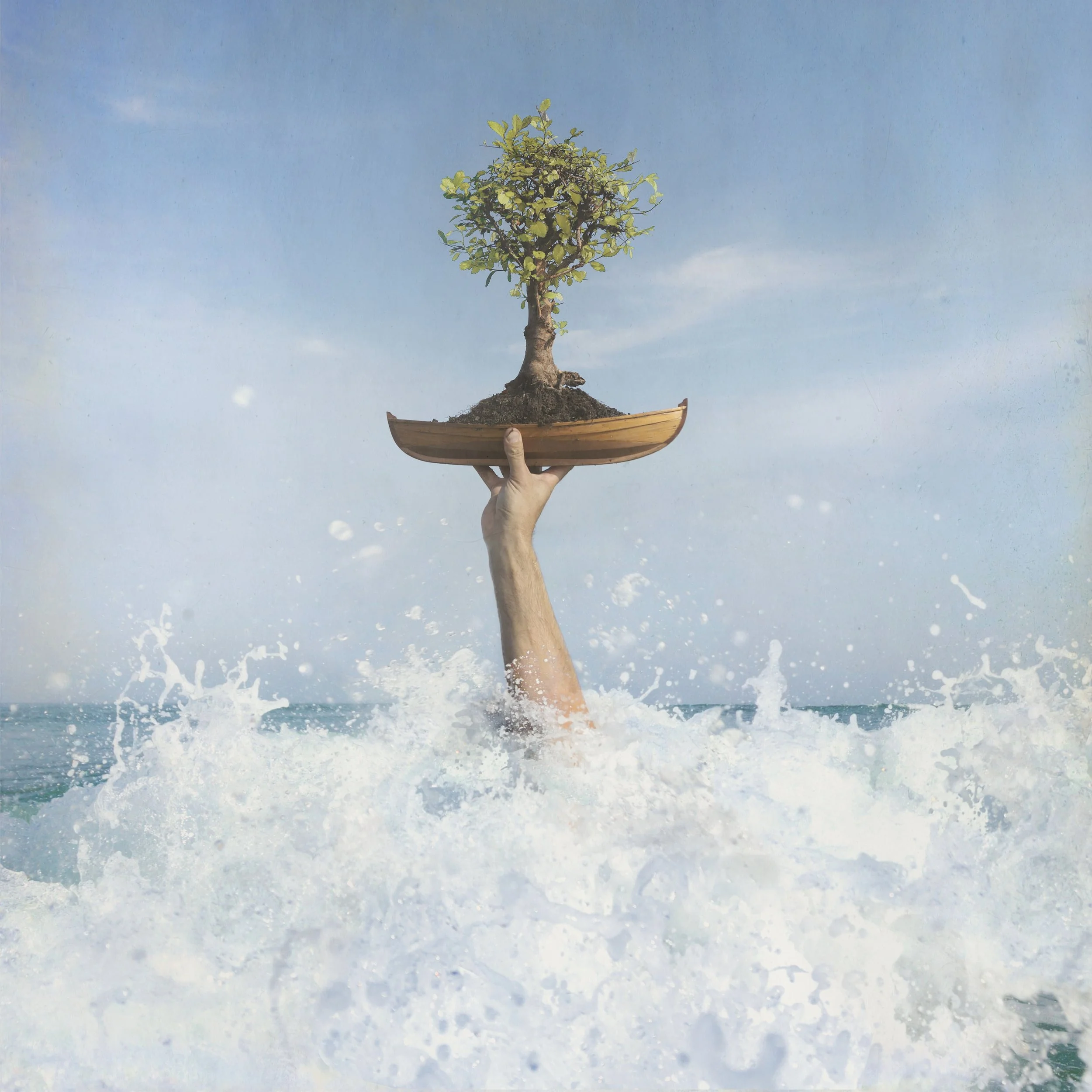


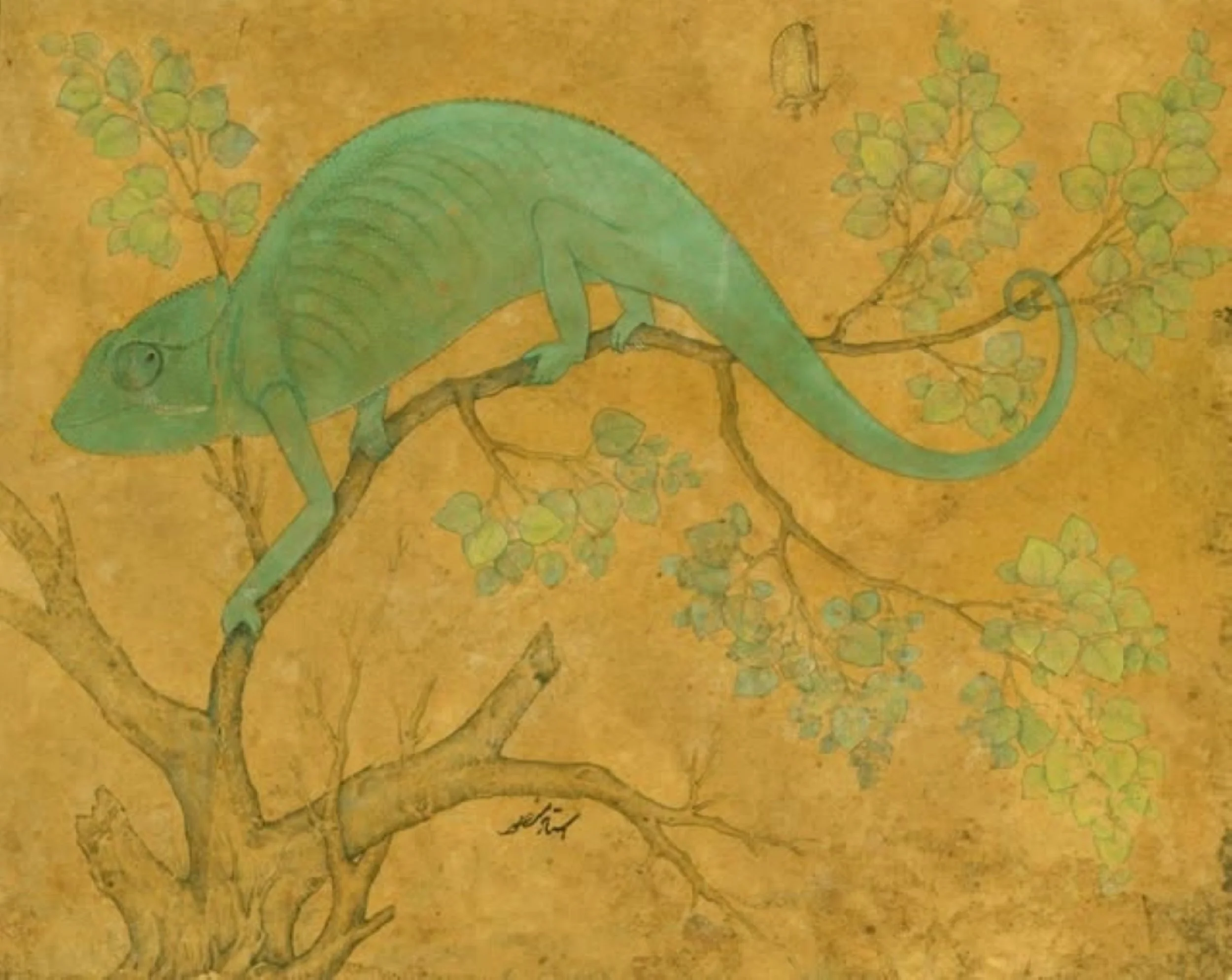
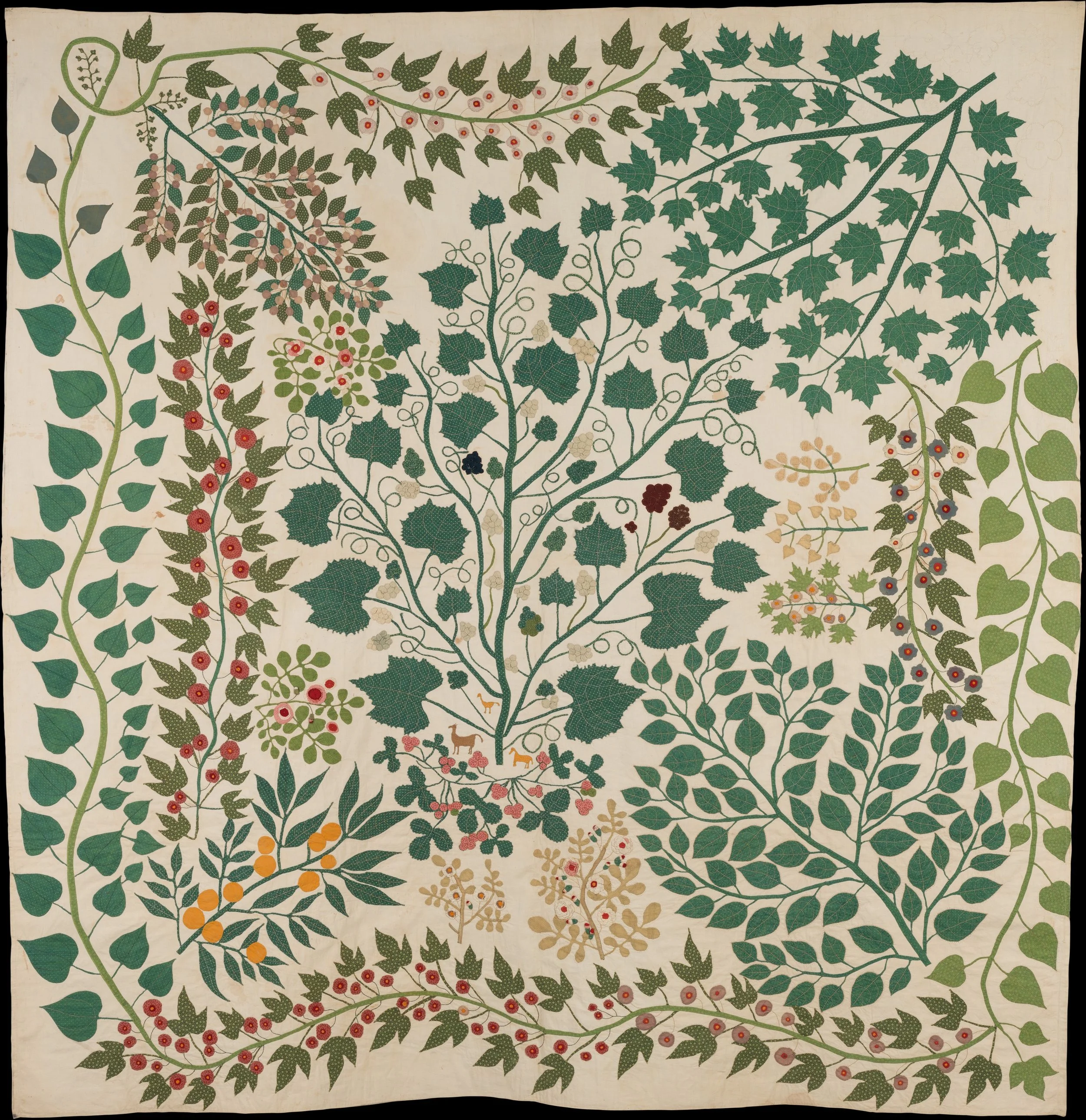


Available from Thames & Hudson autumn 2026
UK release date: 24 September 2026 (£40.00)
US release date: 20 October 2026 ($50.00)
Format: Hardcover
Pages: 288
Artwork: 460+ illustrations
Size: 8.4 in. x 10.8 in. x 1.3 in.
ISBN-13: 9780500029640
Genres: Art, Science
Order your copy here